


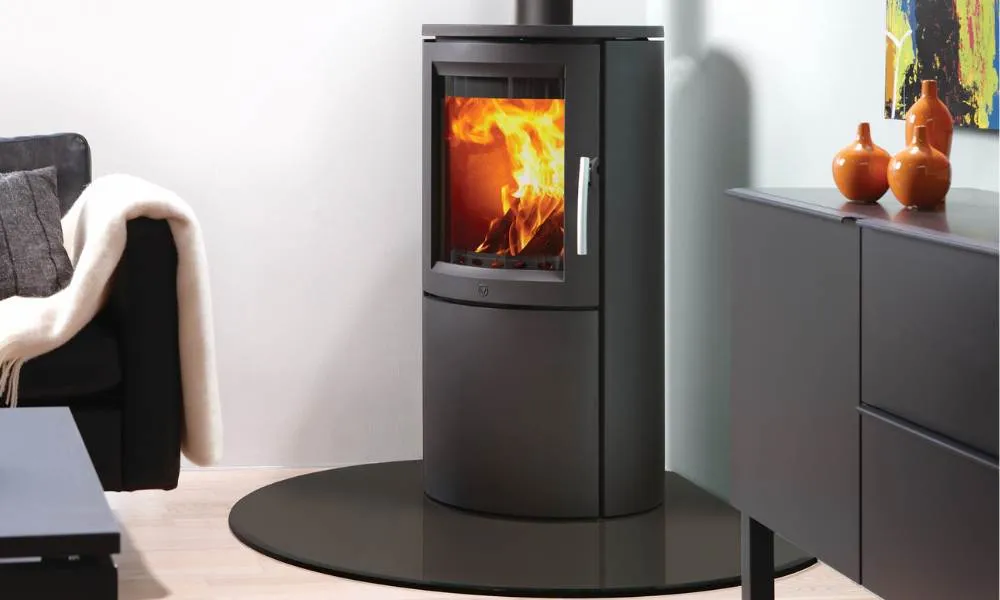
Buying a stove for home heating is an important decision that can impact your home’s comfort, efficiency, and overall aesthetic. Yet, it’s surprisingly easy to make costly mistakes during the process, especially with the wide array of options on the market. Whether you’re renovating your kitchen, upgrading an outdated appliance, or choosing a stove for a new build, avoiding these common errors can save you time, money, and hassle. Here, we explore the most frequent mistakes people make when purchasing a stove and offer practical solutions to ensure you make the best choice for your needs.
1. Failing to Measure Properly
One of the most frequent oversights is neglecting to measure the available space accurately. Many buyers assume that all stoves will fit into the designated area, only to discover too late that the appliance is either too large or too small. Always measure the width, depth, and height of the space, and account for ventilation requirements. Double-check doorways and hallways to ensure the stove can be delivered and installed without issue.
2. Overlooking Energy Efficiency
Energy efficiency is often ignored in favour of aesthetics or brand reputation. However, choosing an inefficient model can result in higher utility bills and a larger carbon footprint. Look for appliances with high energy ratings and consider features like induction cooktops, which tend to be more efficient than traditional electric or gas models. In the long run, the extra investment in an energy-smart appliance can pay dividends.
3. Ignoring Installation Requirements
Stoves come with specific installation needs, which vary depending on fuel type and model. Some require professional fitting, special ventilation, or even rewiring. Failing to check these requirements can lead to added costs, delays, or safety hazards. Consult with a qualified installer or your supplier about what’s needed before you buy, and ensure your kitchen is prepared for the new appliance.
4. Neglecting the Type of Fuel
The choice between gas, electric, or multi-fuel is crucial and depends on your home’s infrastructure and cooking preferences. Some buyers are drawn to a particular model or brand without considering whether it suits their available utilities. Always check your home’s connections and choose a stove compatible with your setup. If you’re considering switching fuels, factor in the cost and feasibility of installing new lines or outlets.
5. Sacrificing Functionality for Style
While it’s tempting to select a visually striking stove that complements your kitchen’s décor, functionality should be the priority. Consider your cooking habits: do you need multiple burners, a large oven, or specialised features like a grill or wok burner? A beautifully designed stove is useless if it doesn’t meet your needs. Compile a list of must-have features and use it to guide your decision.
6. Missing Out on Safety Features
Modern stoves offer various safety features, such as child locks, automatic shut-off, and flame failure devices. Overlooking these can be a costly mistake, especially in households with young children or elderly family members. Familiarise yourself with the safety options available and choose a model that prioritises security without compromising performance.
7. Forgetting About Cleaning and Maintenance
Some stoves are easier to clean and maintain than others. Glass tops, removable burners, and self-cleaning ovens can make life much easier. Buyers often overlook maintenance requirements until it’s too late, ending up with appliances that are time-consuming to clean or prone to breakdowns. Read the manual and reviews to understand what’s involved before making your purchase.
8. Ignoring Warranty and Support
The warranty and after-sales support for your stove can be as important as the appliance itself. Skipping this consideration might leave you stranded if something goes wrong. Check what the warranty covers, how long it lasts, and whether there’s local support. Some brands offer extended warranties or maintenance packages that provide peace of mind for years to come.
9. Focusing Solely on Price
Although budget is a major factor, choosing the cheapest stove can backfire if it lacks essential features, durability, or support. Consider the long-term value, not just the upfront cost. Sometimes, spending a bit more initially can save you money on repairs, replacements, and utility bills down the line.
10. Not Reading Reviews or Seeking Recommendations
Finally, many buyers neglect to read user reviews or seek recommendations from friends and family. Reviews can provide insight into real-world performance, reliability, and customer service experiences. Take the time to research, and if possible, consult with people who have purchased the model you’re considering.
Conclusion: Shop Smart for Your Next Stove
Purchasing a stove is a significant investment, and avoiding common pitfalls can make all the difference. By measuring carefully, prioritising energy efficiency, understanding installation requirements, and focusing on both functionality and safety, you’ll ensure your new cooker is a perfect fit for your home. Remember, informed decisions lead to better outcomes—so take your time, do your research, and enjoy hassle-free cooking for years to come.