


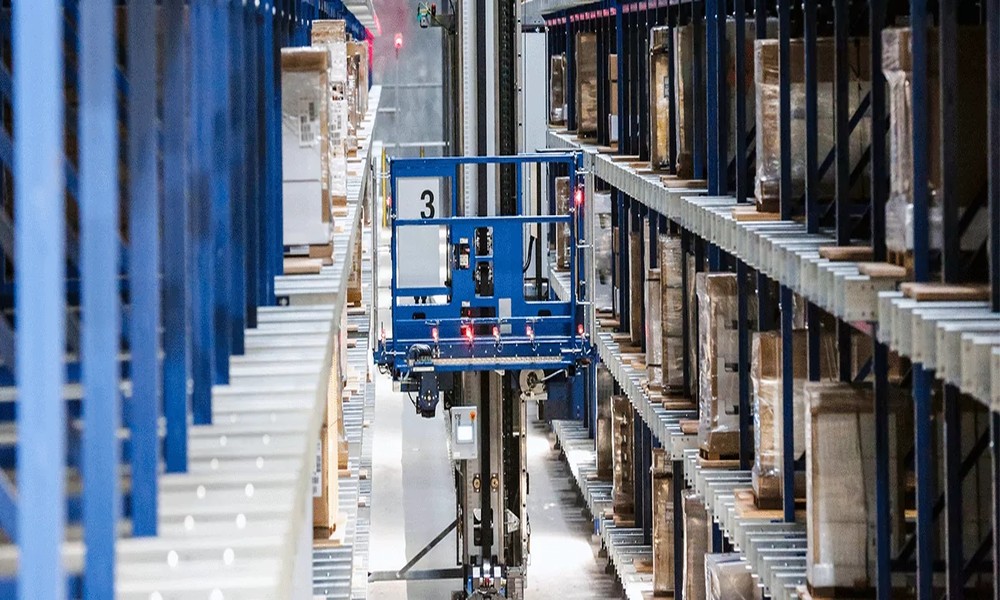
In today’s fast-paced business environment, companies are increasingly turning to automated storage solutions to streamline operations, improve accuracy, and maximize space efficiency. From e-commerce fulfillment centers to manufacturing warehouses, automation has revolutionized the way inventory is stored, retrieved, and managed. However, while the benefits are substantial, implementing and maintaining automated storage systems comes with its own set of challenges. Understanding these hurdles and identifying effective solutions is critical for businesses looking to leverage automation effectively.
Automated storage solutions promise efficiency, but they require careful planning, investment, and ongoing oversight. These systems integrate robotics, software, and physical storage mechanisms to deliver high-density storage and rapid retrieval. While automation reduces manual labor and minimizes errors, businesses must navigate issues ranging from high upfront costs to system downtime and staff adaptation.
Technical and Integration Challenges
One of the primary challenges with automated storage solutions lies in technical integration. Many businesses operate with existing warehouse management systems (WMS) and enterprise resource planning (ERP) software. Ensuring that a new automated system communicates seamlessly with these platforms can be complex. Mismatched systems can lead to inventory discrepancies, slow order processing, and operational inefficiencies.
A related concern is software reliability. Automated systems rely on advanced algorithms and real-time data processing. Bugs, software errors, or incompatibilities with other systems can disrupt operations. Businesses may face downtime if the system is not carefully monitored and maintained.
To overcome these challenges, careful planning and testing are essential. Choosing automated storage solutions that offer proven integration with your existing software stack reduces compatibility issues. Conducting pilot programs before full implementation allows businesses to identify potential problems and adjust workflows. Additionally, investing in staff training ensures that employees understand both the software and hardware aspects of the system, minimizing operational errors and system misuse.
High Implementation Costs and ROI Considerations
Automated storage solutions often require significant upfront investment. Costs can include purchasing robotic systems, conveyor systems, automated shelving, and the software necessary to run the operation efficiently. For smaller businesses, this high initial expenditure may seem prohibitive.
Return on investment (ROI) may take time to materialize, particularly if the business experiences disruptions during implementation or if employees need additional training to operate the system efficiently. Without proper cost analysis and planning, businesses may underestimate the total expenditure and ongoing maintenance costs associated with automated storage solutions.
A practical solution involves phased implementation. Businesses can start by automating a portion of their storage or retrieval processes to gradually adapt to the new system. This approach reduces upfront costs and allows management to assess ROI before expanding automation. Leasing or financing options for automated systems can also make the investment more manageable. Additionally, regularly reviewing system performance and labor savings can help quantify ROI and justify further automation investments.
Maintenance and Operational Challenges
Automated storage solutions rely heavily on mechanical and electronic components that require regular maintenance. Wear and tear, component failures, and software updates can disrupt operations if not managed proactively. A minor malfunction in one section of an automated warehouse can halt the flow of inventory, affecting customer orders and overall productivity.
Downtime and operational interruptions can be costly. To mitigate these risks, businesses should establish preventative maintenance schedules and partner with reliable service providers familiar with automated storage systems. Having spare parts on hand and building redundancy into critical system components ensures that minor issues do not escalate into major disruptions. Moreover, monitoring system performance in real time with predictive analytics allows managers to anticipate failures before they occur, enhancing reliability and reducing unplanned downtime.
Staff Training and Change Management
Introducing automated storage solutions transforms traditional warehouse workflows. Employees accustomed to manual picking, packing, and inventory management may face challenges adapting to robotic systems, software interfaces, and new operational protocols. Resistance to change, improper usage of the technology, or inadequate training can diminish the efficiency benefits promised by automation.
Addressing this challenge requires comprehensive training programs that combine hands-on experience with clear operational guidelines. Engaging employees early in the implementation process encourages buy-in and reduces resistance. Regular workshops and refreshers help staff stay up to date on software updates and procedural changes. By fostering a culture of collaboration between human workers and automated systems, businesses can maximize productivity and ensure the system’s full potential is realized.
Scalability and Flexibility Challenges
Another significant consideration is scalability. Businesses grow and change, and their storage needs evolve over time. Some automated storage solutions may be rigid, making it difficult to expand capacity or adjust workflows as requirements shift. An inflexible system may limit growth opportunities or necessitate costly upgrades to accommodate new inventory types or operational changes.
Choosing modular automated storage solutions that can scale in stages addresses this challenge. Modular systems allow businesses to expand storage capacity, add additional robotic units, or reconfigure workflows without overhauling the entire setup. Working with vendors who provide customizable and adaptable solutions ensures that the automated system remains a long-term asset rather than a limiting factor in business growth.
Automated storage solutions offer transformative advantages for modern warehouses, fulfillment centers, and manufacturing facilities. They improve efficiency, reduce errors, and optimize space usage. However, businesses must navigate technical integration, high upfront costs, maintenance requirements, staff adaptation, and scalability considerations to reap these benefits.
By carefully selecting compatible systems, implementing phased rollouts, maintaining robust training programs, and prioritizing maintenance and flexibility, organizations can overcome the challenges inherent in automation. With the right approach, automated storage solutions become a cornerstone of efficient, reliable, and scalable operations that support growth, enhance accuracy, and strengthen overall supply chain performance.