


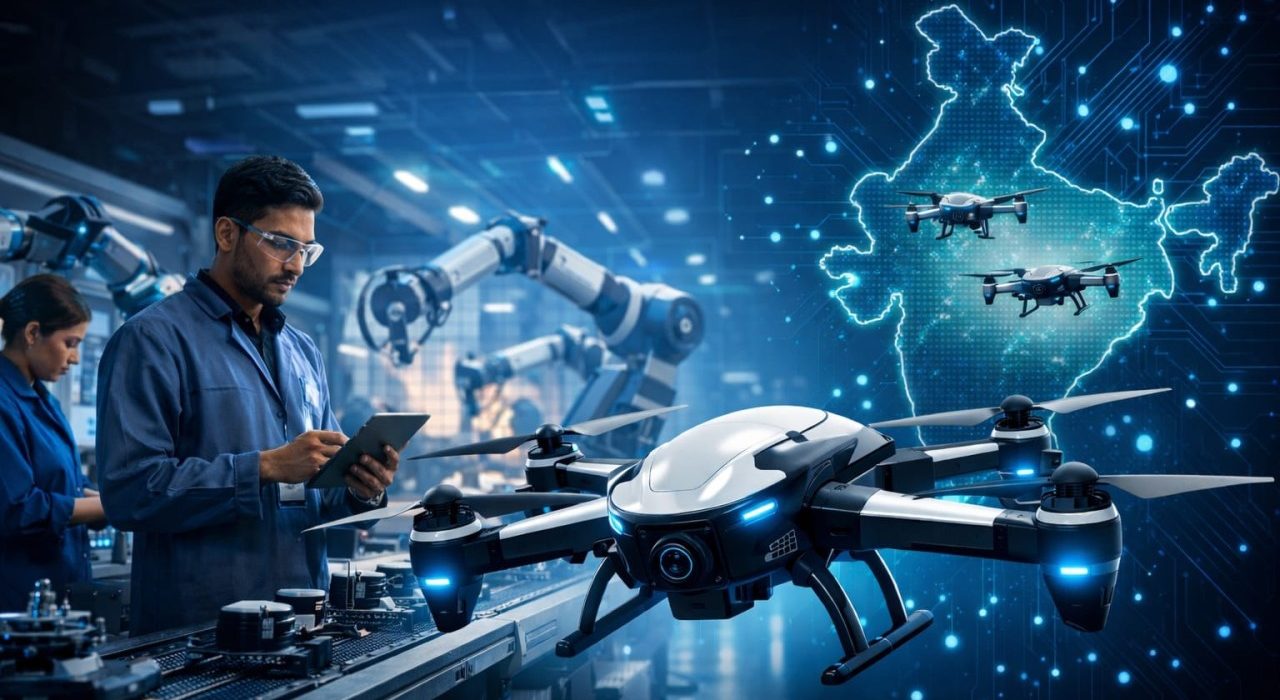
The rapid growth of the drone industry has transformed how businesses, governments, and organizations operate across countless sectors. From aerial inspections and precision agriculture to defense applications and emergency response, unmanned aerial vehicles continue to push technological boundaries. At the heart of this innovation lies uav manufacturing, a highly specialized field that combines advanced engineering, precision fabrication, lightweight materials, and cutting-edge electronics.
As demand for unmanned systems continues to rise worldwide, manufacturers face increasing pressure to produce stronger, lighter, and more reliable platforms capable of operating in challenging environments. The evolution of modern drones is not simply about adding new features. It is about creating highly efficient systems that can deliver exceptional performance while maintaining durability, safety, and operational flexibility.
The Growing Importance of UAV Manufacturing
The global drone market has expanded significantly over the last decade. What began as a niche technology for military use has evolved into a vital tool across commercial and industrial sectors. Today, drones are used for infrastructure inspections, mapping, surveying, environmental monitoring, logistics, filmmaking, telecommunications, and public safety.
This widespread adoption has elevated the importance of uav manufacturing. Manufacturers are responsible for developing airframes, propulsion systems, control mechanisms, communication hardware, and payload integration solutions that meet strict performance requirements.
Every component of a modern UAV must work seamlessly together. A single weakness in the structure, electronics, or assembly process can impact flight stability, mission success, and overall reliability. As a result, manufacturing standards have become increasingly sophisticated.
Why Precision Matters in Drone Production
Unlike many traditional products, UAVs operate in dynamic and unpredictable environments. They encounter vibration, wind, temperature fluctuations, moisture, and significant aerodynamic forces during flight.
Precision manufacturing plays a critical role in ensuring that drones perform consistently under these conditions. Tight tolerances are required throughout the production process, from machining structural components to assembling electronic systems.
Even minor deviations can affect:
- Flight efficiency
- Battery performance
- Payload capacity
- Aerodynamic stability
- Mission accuracy
- Operational lifespan
This is why leading organizations involved in uav manufacturing invest heavily in advanced production technologies and rigorous quality control procedures.
Advanced Materials in Modern UAV Manufacturing
One of the most important developments in drone design has been the adoption of advanced lightweight materials.
Traditional metals remain important in many applications, but modern UAVs increasingly rely on materials that provide an ideal balance between strength and weight. Every gram saved contributes to longer flight times, improved payload capacity, and greater operational efficiency.
Common materials used in uav manufacturing include:
Carbon Fiber Composites
Carbon fiber offers exceptional stiffness while remaining extremely lightweight. It has become one of the most widely used materials in drone airframes, structural supports, and aerodynamic components.
Benefits include:
- High strength-to-weight ratio
- Corrosion resistance
- Excellent fatigue performance
- Reduced vibration
Advanced Aluminum Alloys
Aluminum remains a preferred material for many structural and mechanical components due to its combination of strength, machinability, and cost-effectiveness.
Manufacturers frequently use aerospace-grade aluminum for:
- Motor mounts
- Chassis components
- Landing gear
- Structural brackets
High-Performance Polymers
Engineering plastics and advanced polymers provide durability while reducing overall system weight.
Applications include:
- Protective housings
- Electronic enclosures
- Internal structural supports
- Custom payload mounts
The strategic use of these materials allows manufacturers to optimize performance while maintaining structural integrity.
Designing UAVs for Specific Missions
Not all drones are built for the same purpose. A drone designed for agricultural monitoring has vastly different requirements than one developed for military reconnaissance or infrastructure inspection.
Successful uav manufacturing begins with understanding mission objectives.
Key design considerations include:
Endurance Requirements
Some missions require drones to remain airborne for extended periods. Manufacturers must balance battery capacity, aerodynamics, and weight reduction strategies to maximize flight duration.
Payload Integration
Many UAVs carry specialized equipment such as:
- High-resolution cameras
- LiDAR systems
- Thermal sensors
- Communication devices
- Environmental monitoring equipment
Manufacturers must ensure these payloads integrate seamlessly without compromising performance.
Environmental Conditions
Drones may operate in:
- Desert environments
- Coastal regions
- Arctic conditions
- Industrial facilities
- Urban settings
Each environment presents unique challenges that influence material selection and engineering decisions.
The Role of CNC Machining in UAV Production
Precision machining remains a cornerstone of modern uav manufacturing.
Computer Numerical Control (CNC) machining enables manufacturers to produce highly accurate components with exceptional consistency. This technology allows engineers to create complex geometries that would be difficult or impossible to achieve through traditional manufacturing methods.
CNC-machined components are commonly used for:
- Structural frames
- Mounting systems
- Motor housings
- Flight control assemblies
- Mechanical interfaces
The ability to maintain precise tolerances contributes directly to UAV performance and reliability.
Quality Control and Testing Procedures
Every drone must undergo extensive testing before deployment.
Manufacturers implement strict quality assurance processes throughout production to ensure that each component meets specifications. This attention to detail helps reduce failures and improve mission success rates.
Testing often includes:
Structural Verification
Engineers evaluate the integrity of airframes and components under simulated operating conditions.
Vibration Testing
Drone systems experience significant vibration during flight. Testing helps identify weaknesses and improve durability.
Environmental Testing
UAVs are exposed to:
- Temperature extremes
- Moisture
- Dust
- UV exposure
Environmental testing ensures long-term reliability.
Flight Validation
Prototype and production units undergo comprehensive flight testing to verify:
- Stability
- Navigation accuracy
- Communication performance
- Payload functionality
These procedures are essential for maintaining confidence in modern uav manufacturing operations.
The Importance of Scalability
As drone adoption accelerates, manufacturers must be capable of scaling production efficiently.
Moving from prototype development to full-scale manufacturing presents numerous challenges. Production systems must maintain consistent quality while increasing output.
Scalable manufacturing requires:
- Repeatable processes
- Automated production systems
- Reliable supply chains
- Advanced quality management
- Flexible engineering capabilities
Organizations that successfully scale operations gain a significant competitive advantage in the growing UAV market.
Supporting Defense and Security Applications
Defense remains one of the most demanding sectors for uav manufacturing.
Military and security organizations require systems that deliver exceptional reliability, survivability, and mission effectiveness. These platforms often operate in high-risk environments where failure is not an option.
Defense-focused UAVs may include:
- Intelligence gathering platforms
- Reconnaissance systems
- Border monitoring solutions
- Tactical communication relays
- Target acquisition platforms
Manufacturers serving this sector must meet stringent engineering and quality standards while ensuring operational readiness.
Industrial Applications Fueling Market Growth
Commercial and industrial users continue to drive demand for advanced UAV solutions.
Industries benefiting from drone technology include:
Energy and Utilities
Drones perform inspections of:
- Power lines
- Wind turbines
- Solar farms
- Pipelines
Construction
Construction companies use UAVs for:
- Progress monitoring
- Site mapping
- Volume calculations
- Safety assessments
Agriculture
Modern farming increasingly relies on drones for:
- Crop analysis
- Irrigation monitoring
- Field mapping
- Precision spraying
Telecommunications
Telecommunication providers use drones to inspect towers and infrastructure while reducing risks to personnel.
These expanding applications continue to create new opportunities for innovation within uav manufacturing.
The Future of UAV Manufacturing
The next generation of UAVs will likely feature greater autonomy, improved endurance, enhanced connectivity, and increasingly sophisticated sensors.
Several trends are shaping the future of the industry:
Artificial Intelligence Integration
AI-powered drones can process information in real time, enabling smarter decision-making and autonomous operations.
Enhanced Battery Technologies
Advances in energy storage will extend flight times and improve mission capabilities.
Hybrid Propulsion Systems
Hybrid designs may combine multiple power sources to increase endurance and operational flexibility.
Advanced Composite Structures
Continued improvements in materials science will produce lighter, stronger, and more durable airframes.
Automated Production
Automation will further improve efficiency, consistency, and scalability across manufacturing operations.
Companies such as PTMW contribute to the advancement of specialized manufacturing capabilities that support increasingly sophisticated unmanned aerial systems and drone technologies.
Conclusion
The continued expansion of the drone industry depends heavily on innovation, engineering excellence, and manufacturing precision. Modern uav manufacturing involves far more than assembling aircraft components. It requires advanced materials, precision machining, rigorous testing, scalable production methods, and a deep understanding of mission requirements.
As industries around the world embrace unmanned systems, the demand for reliable, high-performance UAVs will continue to grow. Manufacturers that prioritize quality, technological advancement, and operational excellence will play a crucial role in shaping the future of aviation, enabling drones to perform increasingly complex missions across commercial, industrial, and defense sectors.