


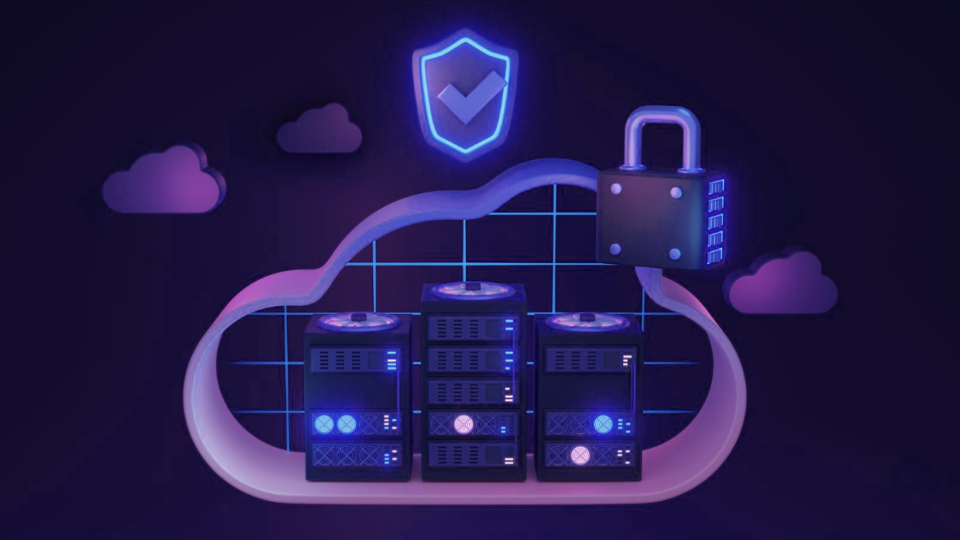
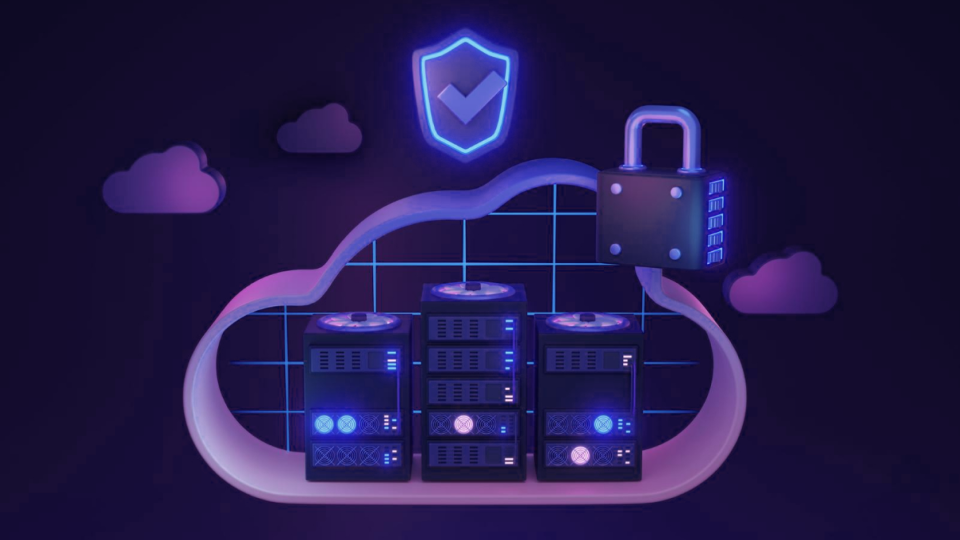
Choosing the right way to store digital information is now a core business decision. Secure cloud storage helps organizations protect sensitive data, maintain operational continuity, and meet growing regulatory expectations. As threats increase and regulations tighten, understanding how secure cloud storage works—and how to evaluate providers—has become essential for businesses and public institutions alike.
Introduction to Secure Cloud Storage
Secure cloud storage refers to systems that store data off-site while applying strong safeguards to protect confidentiality, integrity, and availability. Unlike basic file hosting, secure solutions combine encryption, access control, monitoring, and compliance measures to ensure data remains protected throughout its lifecycle.
For organizations handling personal, financial, or operational data, security is no longer optional—it is foundational.
What Makes Cloud Storage Truly Secure
Not all cloud storage solutions offer the same level of protection. Security depends on a combination of technical, organizational, and legal controls.
Encryption at Rest and in Transit
Encryption ensures that data cannot be read by unauthorized parties. Strong platforms encrypt data both while stored and during transfer.
Access Control and Authentication
Role-based access, multi-factor authentication, and detailed permission settings limit who can view or modify data.
Continuous Monitoring and Auditing
Monitoring tools detect unusual activity early, helping prevent breaches and data loss.
Why Secure Cloud Storage Is a Growing Priority
Increasing Cybersecurity Threats
Ransomware, phishing, and unauthorized access attempts continue to rise, making robust storage security essential.
Regulatory and Compliance Requirements
Data protection laws require organizations to demonstrate how they safeguard sensitive information.
Remote and Distributed Work
As teams work from multiple locations, secure centralized storage becomes critical for collaboration without compromising safety.
Key Compliance Considerations for Secure Cloud Storage
Data Protection Regulations
Regulations such as GDPR require organizations to protect personal data and control access.
Data Location and Jurisdiction
Knowing where data is stored helps determine which laws apply and who may legally access it.
Audit Readiness
Clear documentation, logging, and access controls simplify audits and compliance reviews.
Benefits of Using Secure Cloud Storage
Improved Data Protection
Advanced security features reduce the risk of breaches, leaks, and unauthorized access.
Business Continuity and Availability
Cloud storage supports backups, redundancy, and disaster recovery planning.
Scalable and Flexible Infrastructure
Organizations can scale storage needs without investing in physical hardware.
Common Risks When Cloud Storage Lacks Proper Security
Unauthorized Data Access
Weak permissions or poor authentication can expose sensitive information.
Compliance Gaps
Improper storage practices may violate regulatory requirements.
Data Loss or Downtime
Without redundancy and monitoring, outages or accidental deletions can disrupt operations.
How to Evaluate a Secure Cloud Storage Provider
Infrastructure Transparency
Providers should clearly explain where data is stored and how it is protected.
Security Certifications and Standards
Independent certifications demonstrate adherence to recognized security frameworks.
Access and Encryption Policies
Strong encryption and granular access controls are essential.
Support and Accountability
Reliable providers offer clear support processes and defined responsibilities.
Secure Cloud Storage in a European Context
For organizations operating in Europe, data protection expectations are especially strict.
European Data Protection Standards
EU-based storage solutions often simplify compliance with regional regulations.
Reducing Exposure to Foreign Jurisdictions
Keeping data under European legal frameworks helps maintain control and clarity.
Spotlight: Where vBoxx Fits Into Secure Cloud Storage
vBoxx focuses on providing cloud infrastructure designed around security, transparency, and European governance principles. Their approach emphasizes controlled access, EU-based hosting, and compliance-focused architecture.
Infrastructure Designed for Control
By prioritizing security and jurisdictional clarity, vBoxx supports organizations that require confidence in how their data is handled.
Supporting Compliance and Trust
Secure cloud storage solutions built with compliance in mind help reduce complexity while maintaining strong protection standards.
FAQs
1. What is secure cloud storage?
It is cloud-based data storage that uses encryption, access controls, and monitoring to protect information.
2. Is cloud storage safe for sensitive data?
Yes, when proper security measures and compliant providers are used.
3. How does encryption protect cloud data?
Encryption makes data unreadable without the correct authorization keys.
4. Does secure cloud storage support compliance?
Yes, it helps organizations meet regulatory and audit requirements.
5. Can secure cloud storage support remote teams?
Absolutely. It allows safe access from multiple locations without compromising security.
6. Why does data location matter?
It determines which laws apply and who can legally access the data.
Conclusion: Building Confidence With Secure Cloud Storage
Reliable secure cloud storage plays a critical role in protecting information, maintaining compliance, and supporting modern digital operations. By choosing solutions that prioritize strong security controls, transparency, and regulatory alignment, organizations can safeguard their data while enabling flexible, scalable growth.