
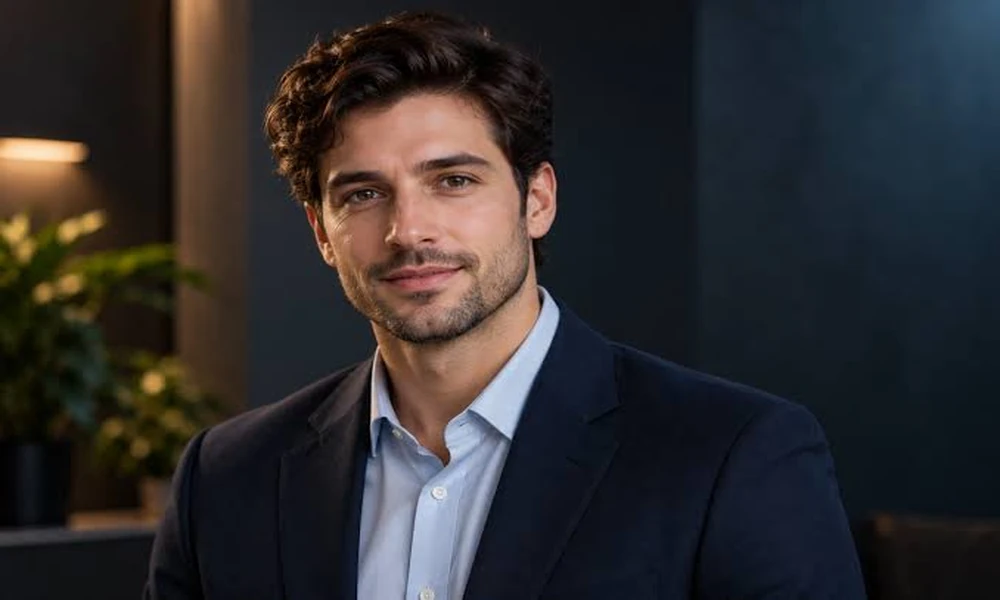
Remote workers prefer generated headshots over studio visits for a plain reason: the studio asks them to leave the house, and the generator does not. Three hours away from the nearest city photographer, someone from a small town must travel, book, wait, and drive back, all for one set of photos. You submit a few selfies and get finished portraits the same day. Tools like Aragon AI have pushed the quality high enough that the trade no longer costs anything in realism, which is the part that finally settled the question for a lot of people who were on the fence about it.
Remote workers choosing generators
Remote workers choosing generators over studios usually land on the decision after hitting the same practical walls. A friend of mine moved to a hill town two years ago when her company went fully remote, and when her team asked everyone for updated directory photos, the nearest portrait studio was a four-hour round-trip away. She uploaded fifteen phone selfies one evening instead and had her finished set before the weekend. Her story repeats everywhere remote work has spread. The reasons people give sound almost identical when you ask around:
- Taking photos from home, in everyday clothes, is done on any evening.
- Studio edits often take weeks or even months rather than hours.
- Based on the same uploaded files, multiple looks can be created, such as formal, casual, and outdoor styles.
- A new set can be made anytime appearance changes, without booking anything.
Teams spread across different cities also get matching photos this way. Hundreds of employees across the country upload their own selfies, creating a company directory that looks like every employee visited the same photographer on the same afternoon, something no real studio could do.
Studios losing preference
Studios losing preference among remote workers does not mean studio photography lost its quality, the craft is as good as it ever was. Changing ways of working have been the major change in work life. After scheduling a studio session, getting ready, driving there, sitting through the shooting, and receiving the retouched files, you are ready for your final product. Due to the close proximity of studios to offices, office workers used to easily absorb these steps. In addition to not having to commute, many remote workers have moved away from cities where studios are concentrated. The generated option also removes a quieter problem, the pressure of the session itself. A photographer may freeze a subject before them and hate every frame. It is still possible to take a selfie confidently, naturally, and comfortably at home.
Despite what people think, price pressure has less impact than they think. There is nothing like control when it comes to pulling. With a remote worker, the entire design can be re-done next month if the beard grows out or the glasses change; the conference bio can be tested with different backgrounds; LinkedIn, the company website, and the personal website can be matched without a single meeting. Both times my friend’s set has been refreshed, one after a haircut and once before a speaking event, and neither time was more work than ordering groceries.
Therefore, fashion is less important than fit in determining preference. As a result of working remotely, I have been able to re-create everyday life in the home, and the headshots I generate are professional photos that fit into my lifestyle. For people who live near studios and value the experience, studio experiences remain appealing. The generator wins because it meets everyone exactly where they are, regardless of where they work from.