


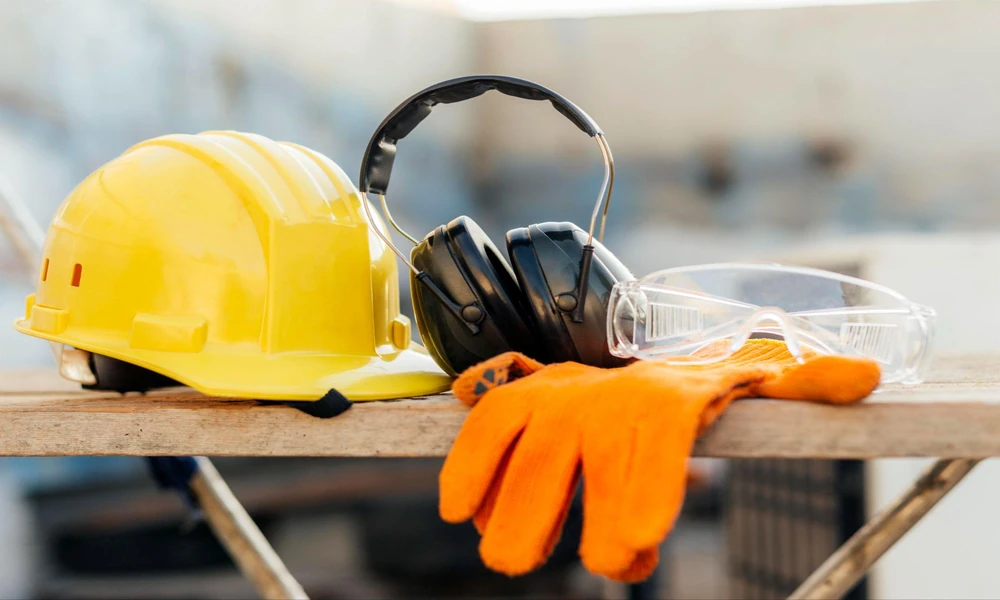
Key Highlights
- Prioritise suppliers who provide equipment that meets recognised international safety certifications.
- Consistency in the supply chain is vital to ensure your team is never without essential protection.
- Look for suppliers who offer a wide range of gear to simplify your procurement process.
- Technical support and training on how to use the equipment correctly add significant value.
Introduction
Personal Protective Equipment (PPE) is often described as the last line of defence for workers in hazardous environments. Whether it is respiratory protection against toxic fumes, eye protection for laboratory workers, or high-visibility clothing for construction sites, the quality of this gear is non-negotiable. However, the effectiveness of a safety program depends heavily on the reliability of the PPE suppliers a business chooses to partner with. Selecting the right supplier ensures that the equipment provided is not only compliant with safety laws but also comfortable and durable enough for daily use. A strategic approach to sourcing PPE protects your employees, reduces liability, and streamlines your operational budget.
Verification of Safety Standards and Certifications
The most critical factor when evaluating PPE suppliers is their commitment to quality standards. Every piece of protective gear should be manufactured and tested according to recognised certifications, such as CE, ANSI, or Singapore Standards (SS). A reputable supplier should be able to provide the necessary documentation and test reports for the products they offer. Using substandard or counterfeit PPE can have disastrous consequences, leading to injuries that could have been prevented. When vetting a supplier, ask about their quality control processes and whether they conduct regular audits of their manufacturers. Ensuring that your gear is genuinely fit for purpose is the most basic requirement of any procurement professional in the safety sector.
Consistency and Reliability of the Supply Chain
Global events have shown how fragile supply chains can be, especially for critical items like respirators and gloves. When choosing PPE suppliers, it is important to assess their ability to maintain stock levels even during periods of high demand. A supplier with a robust inventory management system and multiple sourcing channels is far more reliable than one that relies on a single manufacturer. Inconsistent supply can lead to workers using old, degraded equipment or, worse, working without protection at all. Discuss lead times and buffer stock arrangements with potential suppliers to ensure your business will always have access to the essential items required to keep operations running safely and legally.
Range of Products and Customisation Options
Industrial safety requirements are rarely “one size fits all.” A laboratory might need specialised chemical-resistant gloves, while a nearby warehouse requires impact-resistant footwear. Selecting reliable solution providers who offer a comprehensive range of products allows you to consolidate your purchasing, which can lead to better pricing and easier administrative management. Beyond the variety of items, check if the supplier offers customisation, such as branding with your company logo or providing specific sizes for a diverse workforce. Equipment that fits correctly is more likely to be worn properly by employees. A supplier who understands the diverse needs of different departments can provide tailored recommendations that improve overall compliance rates across your organisation.
Technical Expertise and After-Sales Support
A true safety partner does more than deliver boxes of equipment. The best PPE suppliers employ technical specialists who understand the science behind the protection. For instance, if your team is working with a specific hazardous chemical, the supplier should be able to advise on exactly which respirator cartridge or glove material is required for that specific exposure. Additionally, look for suppliers who offer training sessions or fit-testing services. Teaching employees how to don and doff their gear properly, or how to inspect it for damage, is just as important as the gear itself. Excellent after-sales support ensures that if a product is defective, the replacement process is swift and professional, minimising any disruption to your safety protocols.
Conclusion
Choosing the right PPE suppliers is a strategic decision that directly impacts the safety culture and financial health of your business. By focusing on certified quality, supply chain resilience, and technical expertise, you can build a relationship that goes beyond a simple transaction. The goal is to ensure that every worker returns home safely at the end of every shift, and the quality of their gear plays a major role in that outcome. While price is always a consideration, it should never come at the expense of performance or reliability. Investing time in vetting your suppliers today will prevent safety failures tomorrow, ensuring your business remains a leader in workplace safety and operational excellence.
Contact Ansac Technology and let our experts help you find the right PPE solutions for your business.